
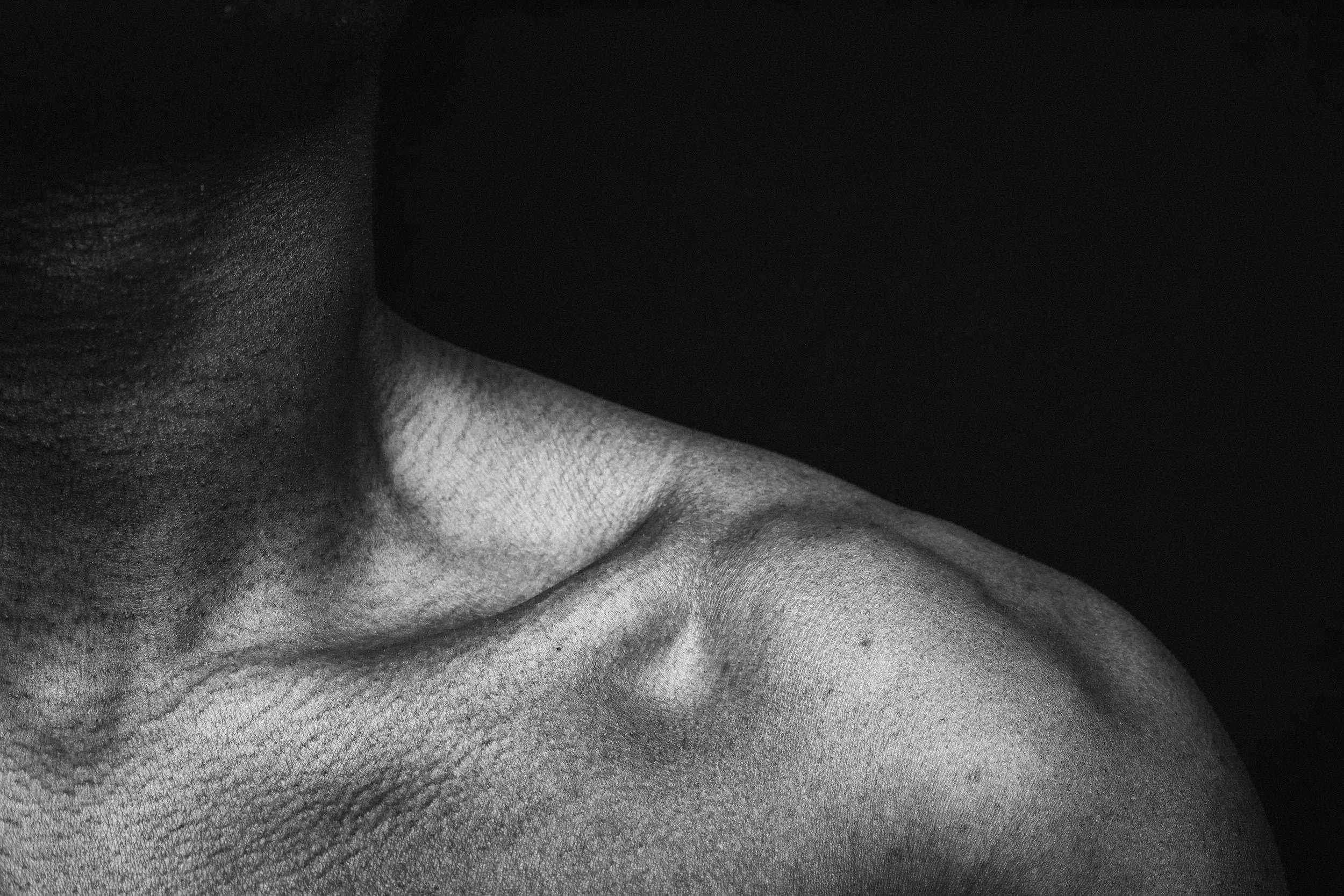
Shoulder Pain that Won’t Quit
You can't reach the seatbelt without a pang. You can't sleep on that side. The top shelf, the back seat, putting on a jacket — anything overhead or behind you has become a strategic operation.
Maybe you've been told it's a rotator cuff thing. Maybe nothing showed up on the imaging. Maybe nothing was even ordered, and you were sent home with a sheet of theraband exercises that didn't change anything. You're starting to wonder if anyone is actually going to figure this out.
I'll give you a hint. It's not because you're past your prime. It's not always because the rotator cuff is shot — no matter what the imaging did or didn't show.
"James is truly a 'body wizard.' He is the first physical therapist I've been treated by who could analyze my body's problems and devise exercises to correct them."
-G.M.
Why It Isn’t Going Away
Shoulder pain that won't quit usually isn't a shoulder problem. It's a system problem that shows up in the shoulder — because the shoulder is the most mobile joint in the body, and that mobility is borrowed from everything around it. The shoulder blade has to track. The thoracic spine has to rotate. The neck has to stack right. The opposite hip has to share load when you reach. When any of that goes off, the shoulder gets the bill.
This is also why shoulder imaging can confuse things rather than clarify them. MRIs find rotator cuff tears on patients who have no pain at all, and can miss the actual source of pain in patients who hurt every day. Imaging tells a tissue story. It can’t tell the movement story.
If something specific did happen — a fall, a tear, an impingement diagnosis, even a surgery — the body broke where it was weakest. And the weakest point is almost always where a movement pattern has been quietly loading the wrong tissue for years. The pattern was the setup; the event just found it.
Most shoulder care addresses the shoulder itself — theraband externals and internals, light weights, the home exercise sheet. That work has the potential to help, but it stops at the joint that hurts. Two patients with the same diagnosis can need different work. For one, reaching across the body is fine, but reaching overhead — for the shelf, the seatbelt, the bra strap — pulls something that doesn't want to be pulled. For another, daytime is mostly okay, but rolling onto that side at night is what wakes her up and won't let her find a position that doesn't hurt.
Each is a different system pattern. Each needs a different correction. The standard exercise sheet can't tell them apart, because it isn't asking the question or assessing the most important thing.
The deeper reason most rehab misses this is the same as it is for back pain or any other persistent issue: the diagnostic frameworks that ask these questions aren't part of standard PT training. They're post-graduate specializations that take years of additional study. Most PTs aren't using these tools because they were never trained in them. The exercise sheet is the surface problem. The training gap is the real one.
Why Strengthening and Stretching Haven’t Been Enough
The yoga class. The Pilates instructor. The personal trainer's program. The previous round of PT with its band exercises.
None of it is the problem on its own. The problem is direction.
If your shoulder blade isn't tracking, every overhead press is a press through the wrong path. If your thoracic spine doesn't rotate, every reach across the body asks more from the shoulder joint. Even theraband externals and internals — the staple of shoulder rehab — can quietly reinforce the wrong scapular pattern if no one's watching the shoulder blade or worse if they don’t know how to.
Good exercise in the wrong context isn't healing the shoulder. It's wearing it down more politely.
What changes things is treating the system, not the joint.
"After arthroscopic shoulder surgery, my surgeon recommended James for physical therapy. Coming to James from an unsuccessful physical therapy situation, I was both hesitant and wary about working with him. James' expertise, his concern, his focus and commitment to helping me improve won me over in the first couple of sessions — and then real work and healing began."
- Lynne S.
"From the first visit, I felt relief that someone was telling me that my pain was not just an illusion, but had a cause."
- Stephanie S.
"James assured me this was treatable and that I should not consider it a necessary part of aging"
-Caralyn S.
How I Work
You'll have one hour. One practitioner. The same practitioner, every visit.
The first session is diagnostic, and it asks two questions at once. From the Movement System Impairment framework: which directions of motion has the shoulder — and the chain that supports it — become susceptible to, and what daily habits and compensations built that susceptibility? From Dynamic Neuromuscular Stabilization: which deep stabilizing patterns — the ones your nervous system was supposed to run automatically — have gone offline?
Most shoulder pain that won't quit involves both. Treatment is built from what I find.
Manual work where joint or soft-tissue restriction is genuinely limiting motion. Targeted retraining of the deep stabilizers — the muscles that hold the shoulder blade in place, the breath that supports the spine, the trunk that connects the shoulder to the floor — when the system that's supposed to support the joint has dropped out. Specific corrections to the chain of motion that's been overloading the shoulder for months or years.
The exercises you'll practice between sessions are few, deliberate, and tied directly to what your chain needs — not a printed sheet. And the most important work happens in the daily movements you weren't paying attention to: how you sit at your desk, how you reach for your seatbelt, how you carry a bag, how you sleep. The body learns by repetition. Every movement during the day is part of treatment.
You'll leave each session with a clear physical therapy diagnosis, a small set of things to practice, and a real sense of what's actually going on.
Who I Am
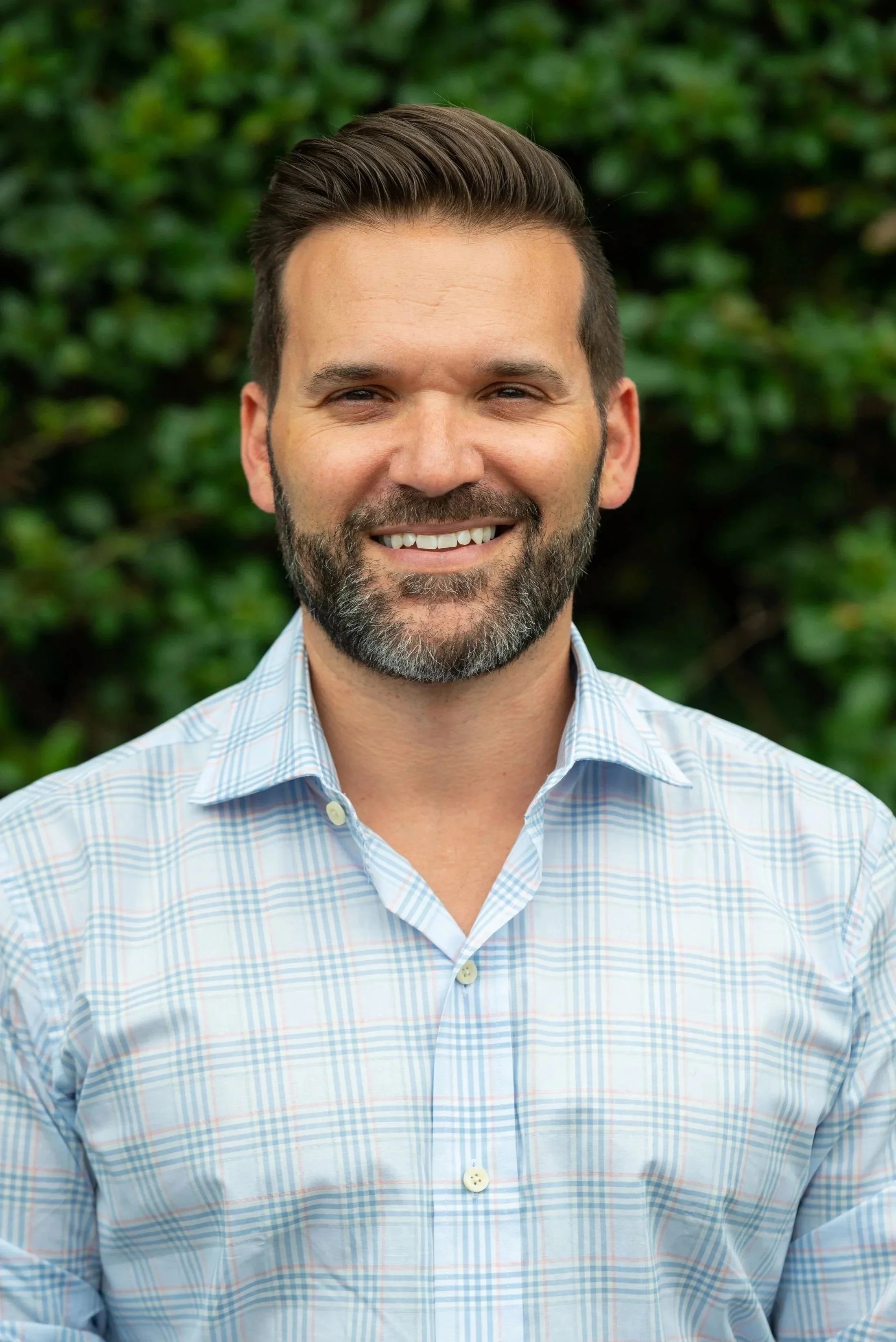
Thirty years of clinical practice. Doctor of Physical Therapy from Pacific University. Bachelor of Science in Physical Therapy from Marquette University.
Advanced training in Dynamic Neuromuscular Stabilization (DNS) — one of 110 DNS-certified practitioners in the United States, and currently the only one practicing in Washington state. Advanced training in the Movement System Impairment (MSI) framework developed by Shirley Sahrmann at Washington University. Received Board Certification in Neurologic Physical Therapy in 2005. Former clinical leadership at Cedars-Sinai Medical Center and Kaiser Permanente.
Voxmota is the work I came to Seattle to do.
Do I need a referral or imaging to come in?
No. Washington allows direct access to physical therapy — you can book without a doctor's referral. If you have recent imaging, bring it; it adds context, but it isn't required. What I'm doing is a movement diagnosis, not an imaging interpretation.
What if my MRI showed a rotator cuff tear or other "damage"?
Imaging findings like rotator cuff "tears" show up regularly on patients who have no pain at all — and the imaging often misses the source of pain in patients who hurt every day. The finding is one piece of information, not a complete verdict. We'll start by understanding what's actually happening with your shoulder when it hurts and from there we'll know whether the imaging is part of the picture or a red herring.
Answers
How many sessions will I need?
Most plans of care run six to ten visits. We'll know more after the first session, when I've actually seen what's going on. I'd rather give you an honest range than a number designed to commit you.
Book a consultation
A private hour at the Ballard studio, overlooking Puget Sound. Cash-pay. HSA and FSA accepted. No insurance billing.
Or call (206) 486-0467.
I do yoga, Pilates, or work with a trainer. Do I need to stop?
Probably not. But once we've identified what's overloading the shoulder, you'll know which positions and exercises to ease off — often the overhead loading and deep arm work — which to keep, and which to add. The goal isn't to take away the things you love. It's to make sure they're working with the recovering shoulder, not against it.